
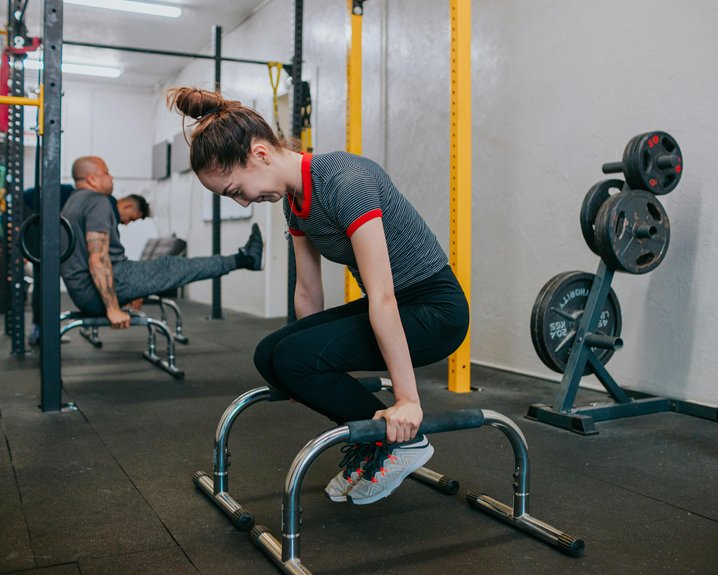
When it comes to weightlifting, you might wonder if there's a significant difference between women's and men's programs. Both genders face unique physiological challenges and have distinct training goals. Yet, common misconceptions can cloud the conversation. Understanding these nuances can lead to more effective training. So, what really sets these programs apart, and how can you tailor your approach for the best results?
Understanding Physiological Differences in Muscle Development
While both men and women can build muscle effectively, understanding the physiological differences in their development is crucial for tailoring weightlifting programs.
Men typically have higher testosterone levels, which promotes muscle growth and strength gains more rapidly. This means you might notice faster results if you're a man.
Women, on the other hand, often have more estrogen, which can lead to a different muscle composition and recovery pattern. Your training might focus more on endurance and flexibility if you're a woman.
Additionally, women tend to have a higher percentage of body fat and lower muscle mass, influencing the types of exercises and weights you should use.
Training Goals: How They Vary Between Genders
When setting training goals, it's important to recognize that men and women often prioritize different outcomes, shaped by their unique physiological and aesthetic aspirations.
For many women, goals may focus on toning and building endurance, leading to programs that emphasize higher repetitions and lighter weights. In contrast, men often aim to increase muscle mass and strength, typically opting for heavier weights and lower repetitions.
These differences stem from societal expectations and personal preferences. While some women may strive for strength, they might still prioritize aesthetics, seeking a balanced physique.
On the other hand, men frequently concentrate on performance metrics. Understanding these varying goals can help tailor weightlifting programs to better meet individual needs, ensuring both genders achieve their desired results.
The Impact of Recovery on Weightlifting Programs
Recovery plays a crucial role in the effectiveness of weightlifting programs, as it directly impacts your performance and progress. Proper recovery allows your muscles to repair and grow stronger, which is essential for achieving your goals.
If you skip recovery, you risk overtraining, which can lead to fatigue and injuries, hindering your progress.
Incorporating rest days, sleep, and nutrition into your routine can enhance your recovery. For instance, getting enough sleep helps your body repair muscle tissues, while proper nutrition fuels your recovery process.
Whether you're lifting heavy or focusing on technique, don't underestimate the importance of recovery.
It's not just about lifting weights; it's about giving your body the time it needs to adapt and improve for the next workout.
Conclusion
In conclusion, while there are differences in women's and men's weightlifting programs due to physiological factors and training goals, both can achieve impressive results. It's essential to remember that individual preferences and specific objectives play a significant role in designing an effective program. By focusing on what works best for you—whether that's heavier weights with fewer reps or lighter weights with more reps—you can maximize your training and reach your goals, regardless of gender.
[matched_content]
Trending Products


