
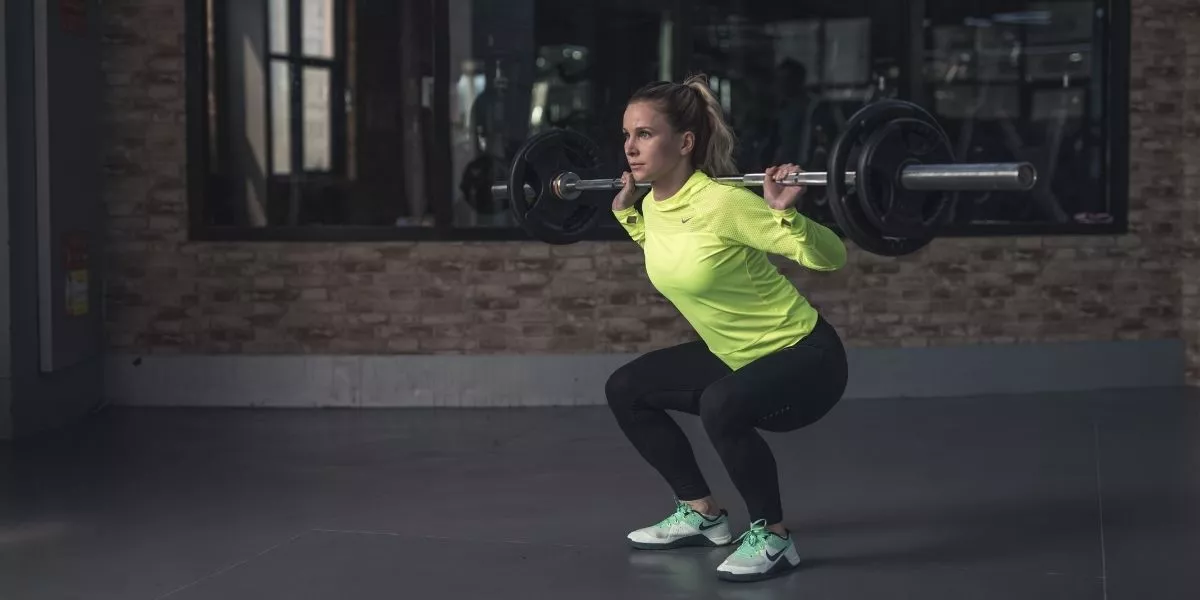
When it comes to weight lifting, finding the right frequency can be crucial for your progress. You might wonder if two sessions a week is enough or if pushing to four is necessary for optimal results. It all depends on your fitness level and goals. Understanding the benefits of weight lifting and how your body responds can help you fine-tune your routine. Let's explore how to determine the best approach for you.
Understanding the Benefits of Weight Lifting for Women
When you lift weights, you're not just building muscle; you're also boosting your overall health and well-being.
Weight lifting helps increase bone density, reducing the risk of osteoporosis as you age. It enhances your metabolic rate, which means you'll burn more calories even at rest.
You'll notice improved mood and reduced stress levels too, thanks to the release of endorphins during your workouts.
Additionally, strength training promotes better posture and core stability, making everyday tasks easier.
As you build strength, you'll gain confidence, empowering you in various aspects of life.
Determining Your Ideal Weight Lifting Frequency
Finding the right frequency for your weight lifting routine is crucial for maximizing results and preventing injury. Generally, aim for two to four sessions per week, depending on your fitness level and goals.
If you're just starting, two to three days might be ideal to build strength and form. As you progress, you can increase to four days to target different muscle groups effectively.
Consider splitting your workouts into upper and lower body days for balanced development. Pay attention to how your body responds; if you feel fatigued or sore, it may be time to adjust your frequency.
Consistency is key, so find a schedule that works for you and stick to it for optimal gains.
Listening to Your Body: Importance of Recovery Time
After establishing a solid weight lifting frequency, pay close attention to how your body feels during and after workouts.
Recovery time is crucial for muscle repair and growth. If you're feeling fatigued, sore, or experiencing pain, it's a sign that your body needs more time to recover. Ignoring these signals can lead to overtraining, which may stall your progress or cause injury.
Incorporate rest days into your routine, and don't hesitate to modify your schedule based on how you feel. Active recovery, like light stretching or walking, can also help.
Remember, it's not just about lifting weights; it's about allowing your body the time it needs to adapt and strengthen.
Prioritize recovery, and you'll see better results in the long run.
Conclusion
In conclusion, finding the right weight lifting frequency is key to achieving your fitness goals. Aim to lift weights two to four times a week, adjusting based on your experience and how your body feels. Remember, recovery is just as important as the workouts themselves, so listen to your body to prevent injuries and promote consistent progress. With dedication and the right approach, you'll reap the benefits and feel stronger than ever!
[matched_content]
Trending Products


